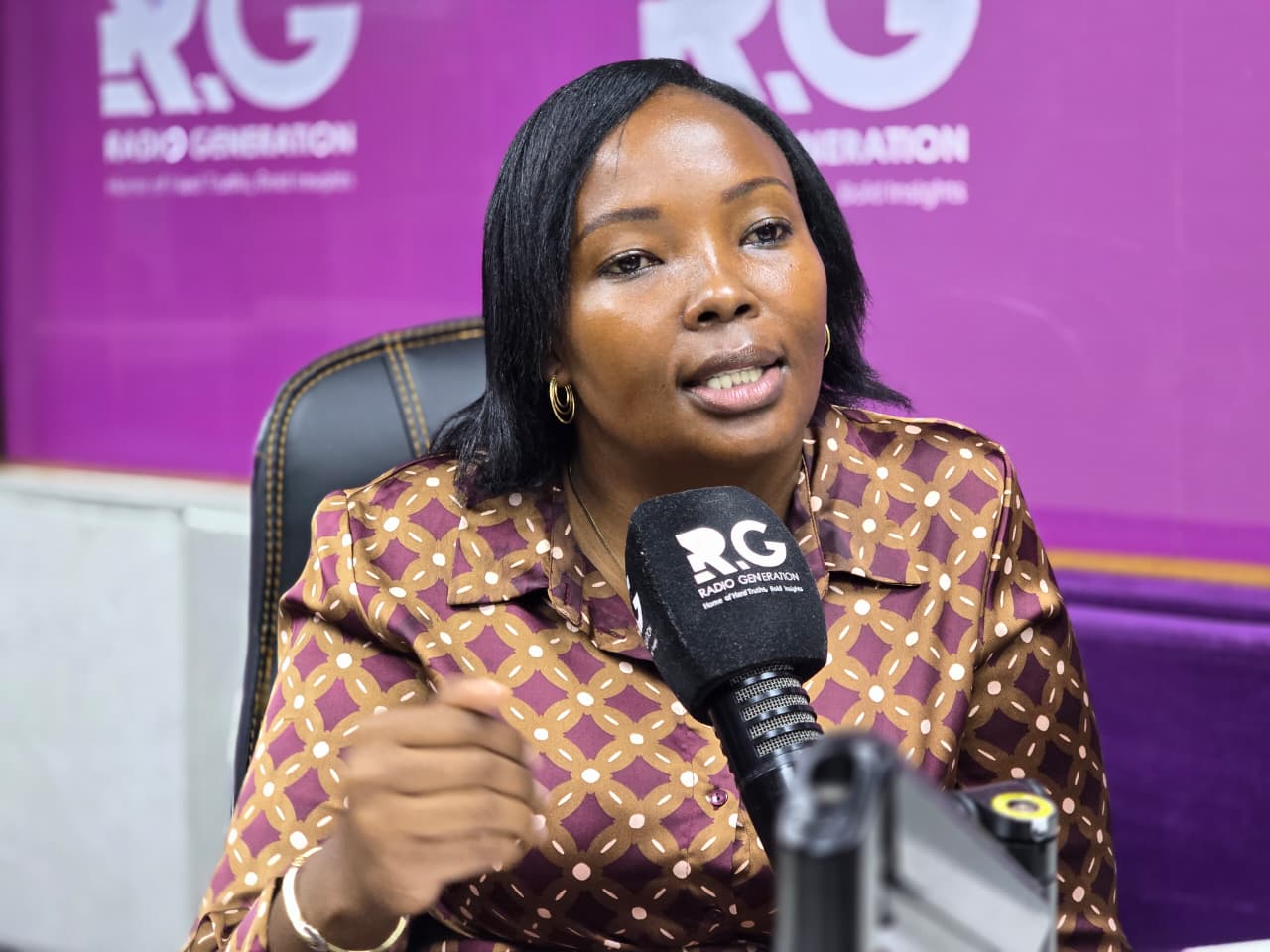
Laikipia Woman Representative Jane Kagiri has defended the push to support local manufacturing, warning that Kenya’s sanitary towel industry is being edged out by a flood of cheap imports despite having the ability to meet national demand and sustain jobs.
Speaking on Radio Generation on Tuesday, Kagiri said local producers are operating far below their potential, not because of limited capacity, but due to market pressure from imported products that have taken over shelf space and weakened domestic firms.
She pointed out that the country has 10 manufacturers with the ability to produce enough sanitary towels for local consumption if supported through policy and procurement.
“We have 10 manufacturers in this country. Initially they had 600 employees. After we allowed a lot of influx of imported sanitary towels. Now they are down to 100 employees, and most of them have switched off their machines,” she said.
According to the lawmaker, the decline in employment reflects a wider slowdown in production, even though factories are capable of running at high output.
“They told me they produce 90 packets per minute… at the end of the week, we could have around 21 million packets of sanitary towels from these particular 10 companies,” she said, arguing that capacity is not the challenge but market displacement caused by imports.
Kagiri dismissed claims that imported products are preferred due to better quality, saying price remains the key factor for most buyers, especially for essential items.
“Anytime people want status quo to remain, they'll bring in the issue of quality,” she said, adding that even in households, consumers typically choose cheaper options when purchasing basic sanitary products.
She also raised concern over pricing differences between import costs and retail prices, questioning the margins applied along the supply chain.
“Imported sanitary towels arrive at the Port of Mombasa at 13 shillings… on the shelves, they're sold at 120 shillings,” she said, asking, “What cost has brought that increment of eight shillings on a packet from the port to the shelf?”
The legislator defended the Eco levy imposed on imported sanitary towels, saying it was designed to create fair competition and protect local industry from being crowded out.
She warned that without such measures, local manufacturers could be forced to shift into importation to survive, further weakening production within the country.
Kagiri called for stronger support through public procurement, arguing that government spending should be used to boost domestic production, protect jobs, and keep money within the economy.
She said the goal is to ensure that demand funded by taxpayers benefits local workers and industries instead of “exporting billions out of the country.”































Comments
Sign in with Google to comment, reply, and like comments.
Continue with Google